Reagent Kit Information
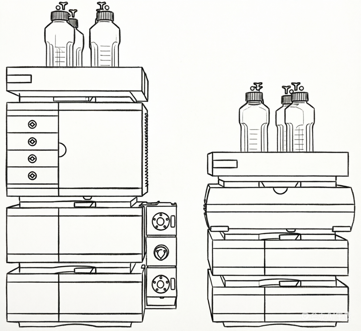
Detection Method: Liquid Chromatography-Tandem Mass Spectrometry (LC-MS/MS)
Reagent Kit Specifications: 96 tests/box, 192 tests/box
Product Advantages:
Ultra-high sensitivity and wide dynamic range;
Extremely simple pretreatment, liberating manpower and meeting high-throughput requirements;
Strong compatibility, all water-soluble vitamin results can be reported with one injection;
Provides a full set of calibration curve quality control, no need for on-site high-concentration dilution.
Applicable Populations
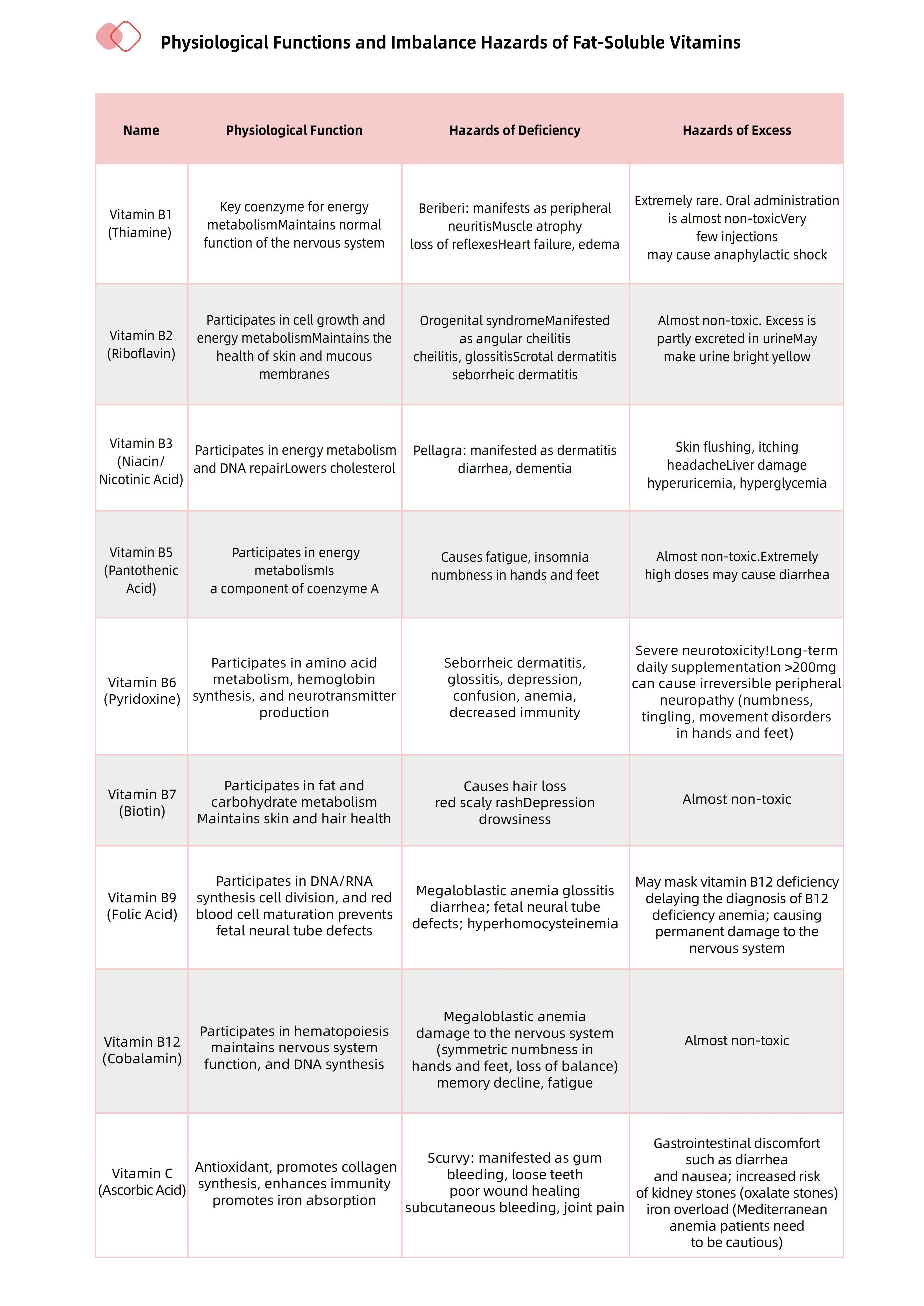
1、Long-term high-dose supplement takers: Those who are taking high doses of vitamin B6 (e.g., for relieving carpal
tunnel syndrome), vitamin C, or using prescription niacin to treat hyperlipidemia.
2、Patients with specific diseases: Those with malabsorption diseases (such as Crohn's disease, celiac disease,
post-gastrectomy). Those with chronic kidney disease or blood diseases (such as Mediterranean anemia). Alcohol
dependents (severely affecting the absorption and metabolism of B-complex vitamins).
3、Populations in special physiological states: Pregnant women: Those taking multiple supplements such as folic
acid and iron. Elderly people: At high risk of malnutrition and drug interactions.
4、Those with suspected symptoms: Patients with numbness or tingling in the hands and feet after supplementing
vitamin B6. Patients with unexplained abdominal pain, diarrhea, or rash after supplementing multiple vitamins.
Significance of Monitoring
1、Pharmacological Dose Treatment: Some diseases require extremely high doses of vitamins as drug therapy, which far exceed
physiological needs and must be monitored.
2、Individual Differences and Metabolic Limits: Everyone has different metabolic capacities. When exceeding the body's
metabolic capacity, vitamins may accumulate and produce toxicity.
3、Drug Interactions: High-dose vitamins may interfere with the efficacy of other drugs.
4、Reveal Potential Diseases: Abnormal vitamin levels in the body may be a signal of certain absorption or metabolic diseases.